- Updated on August 3, 2026
with reduced breathing that increases CO2 and O2 levels in brain cells.
 By Dr. Artour Rakhimov, Alternative Health Educator and Author
- Medically Reviewed by Dr. Andrés David Velasquez, MD and Dr. David Walker, CPA, Licensed Psychologist
Signs and Hyperventilation Symptoms
 Hyperventilation symptoms are often divided into acute and chronic. However, in most cases, doctors assume that hyperventilation is easily recognizable and not so common. On the contrary, over 90% of modern normal subjects hyperventilate at rest (see the Hyperventilation prevalence web page with the Graph and Table that reflect historical changes in minute ventilation rates during the last 80 years) and it is not easy to notice.
Chronic overbreathing causes a variety of symptoms due to dozens of physiological abnormalities created by alveolar hypocapnia (low CO2 in the alveoli of the lungs) in each system of the human body.
We have already considered over a hundred of medical research studies that have proven that chronic hyperventilation symptoms and abnormal respiratory parameters are a typical clinical finding in heart disease, diabetes, asthma, COPD, cystic fibrosis, epilepsy, HIV-AIDS and many other disorders (see links below).
 Furthermore, available clinical evidence and controlled trials of breathing techniques suggest that all common manifestations of many diseases are chronic overbreathing symptoms.
Furthermore, decades of medical research have confirmed dozens of biochemical effects of hyperventilation symptoms that include cell hypoxia, chronic inflammation,generation of lactic acid and free radicals due to anaerobic cellular respiration, excessive mucus production, bronchoconstriction, vasoconstriction, over-excited state of nerve cells, coughing, sighing, dyspnea or shortness of breath, and many others.
These effects and related medical references can be found on related web pages (see CO2 links below).
 It is not a surprise then that there are many seemingly different symptoms of chronic overbreathing since CO2 performs dozens of vital functions in the human body (see links below). These hyperventilation symptoms are listed below, as well as their physiological mechanisms.
In addition, most chronic overbreathing symptoms have simple solutions that are based on reduced breathing (or breathing less). There are, however, in some cases, important practical details in order to perform breathing exercises safely.
Warning. The hyperventilation symptoms treatment options suggested below relate only to acute episodes. For permanent breathing normalization, it is necessary to follow the program of breathing retraining (the Section Learn).
Common symptoms of overbreathing and simple treatment options
 Classical hyperventilation symptoms:
– Dyspnea is labored or difficult breathing characterized by uncomfortable awareness about own breathing at rest or on exertion and is caused by overbreathing
– Shortness of breath (also known as dyspnea or breathlessness) is difficult or labored breathing accompanied by unpleasant awareness about own breathing. For causes, visit What causes shortness of breath.
– Difficulty breathing (aka dyspnea or shortness of breath) is also labored breathing accompanied by unpleasant awareness about own breathing
– Breathlessness and labored breathing is the same term. (When the mainstream medicine is confused, it invents many names for the same phenomenon.)
– Sighing is usually defined as an involuntary inhalation that is 1.5-2 times greater than the usual tidal volume
– Bronchoconstriction is constriction of airways that is caused by alveolar hypocapnia (lack of CO2). Inflammation and extra mucus may occur
– Bronchospasm is narrowing of bronchi and bronchioles due to alveolar hyperventilation symptoms
– Hypoxemia (low levels of oxygen in the blood), in cases of chronic diseases, is most likely to be caused by chronic overbreathing.
Problems with nerves and mind:
– How to relax your mind: easy breathing exercise to calm overexcited nerve cells in 2-3 minutes
– How to calm nerves with reduced breathing that increases CO2 and O2 levels in brain cells.
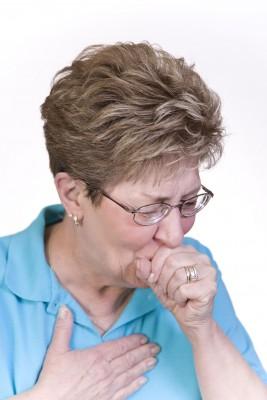
Coughing:
- Cough: Causes, symptoms, effects, and treatment
- Dry cough: Causes and remedies
- Cause of a cough: A general overview of the physiological mechanism that makes coughing chronic or persistent
- Persistent cough remedies: Easy breathing exercises to stop chronic coughing
- Get rid of a cough: The main breathing exercise (hyperventilation symptoms) that is used during bouts of coughing to stop them faster and reduce the damage caused by coughing to airways, lungs, and all body cells
- How to cure a cough in 2–3 minutes, using Buteyko reduced breathing exercise
- Stop coughing naturally: A simple breathing technique to stop bouts of coughing and reduce their damage to alveoli in the lungs, airways, and all other cells
- Stop coughing at night: A breathing technique and exercise to reduce the duration and severity of night coughing. A similar exercise is used for insomnia problems
- Best cough treatment: The permanent solution to chronic problems with a whooping cough, dry cough (or a chesty cough), coughing at night, and coughing in children.
Sore throat:
– Sore throat remedies and how to get rid of a sore throat: Causes and a simple breathing exercise to treat a sore throat.
Yawning:
– Excessive yawning and how to stop yawning a lot: Causes and a simple breathing exercise that stop constant yawning in nearly 1 minute.
How to get rid of phlegm:
– How to get rid of phlegm: Rules and requirements in order to get rid of existing mucus and stop production of excessive phlegm.
Fluid in lungs:
– Fluid in lungs may relate to habitual chest breathing causing alveolar hypoxia or lack of electrical grounding of the human body.
 Insomnia:
– How to fall asleep fast breathing exercise has a very high success rate: over 90% of people significantly reduce their problems with insomnia.
Constipation:
– Home remedies for chronic constipation
– Constipation causes: Low body oxygen levels
– Constipation pain relief: How to relieve constipation pain using 1-2 minutes simple breath work
– How to relieve constipation in 1 min (breathing exercise).
Cramps:
– How to get rid of cramps: How to get rid of cramps breathing exercise
– Leg cramps at night: Two easy solutions (Earthing and reduced breathing exercise).
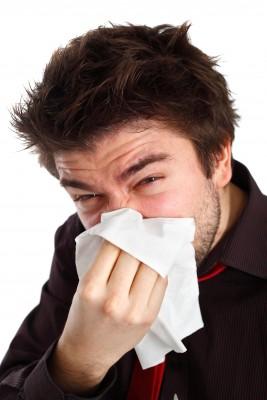
Nasal congestion, rhinitis, and related conditions:
- Nasal congestion: Its causes, mechanism, and treatment
- Sinusitis: Causes, pathophysiology, and treatment
- How to get rid of a stuffy nose: A very easy breathing exercise
- Runny nose: Causes, mechanisms, and solutions
- How to stop a runny nose: Immediate and permanent solutions to problems with allergic rhinitis and other conditions causing a runny nose
- Stuffy nose: Main causes (infections and allergies) and remedies
- How to clear a stuffy nose in 1–2 min using a simple breathing exercise
- Unblock the nose naturally in 2–3 min (breathing exercise)
- How to stop a bloody nose: In cases of nosebleeds, you need to overbreathe to reduce blood flow and prevent excessive blood loss.
Night sweats:
– Night sweats are based on factors that cause heavy breathing and low body O2.
Frequent urination:
– Frequent urination can be triggered by numerous conditions, but there is usually one and the same prime cause.
Vasoconstriction:
– Vasoconstriction is a classic sign of overbreathing.
Poor circulation:
– Poor circulation is another classic symptom of overbreathing.
Cold extremities:
– Cold hands and feet is a common symptom of hyperventilation symptoms
– Cold feet are generally caused by lack of CO2, oxygen, and free electrons in body cells.
 Feeling cold:
– Feeling cold all the time: This symptom most commonly present in people with low body O2 levels, while a sedentary lifestyle is an additional factor for those who do not run.
(Other forms of exercise usually provide only a temporary relief.) In winter times, people with high CPs can get this symptom and solve it with 3-5 tablespoon of dairy cream per day.
Fatigue:
– Why am I always so tired? – This is due to low body O2
– Tired after eating – Either overbreathing or overeating is the cause.
Headaches:
– Headache after exercise usually relates to mouth breathing during exercise.
Acidity in body cells:
– Acidity symptoms correlate with body O2, and a simple DIY body oxygen test and heredity predict the expression of this factor in body symptoms.
Skin:
– How to get glowing skin with 3 crucial factors for success.
Eye-related problems:
– Dark circles under eyes signify reduced blood flow and poor oxygenation of the skin, together with the possibly suppressed immune system
– Bags under eyes indicate abnormal water transport due to a faulty active transport of chemicals (especially salts or ions) caused by low O2 levels in tiny pumps.
Allergies and related conditions:
– Electromagnetic hypersensitivity creates inflammation and increases breathing causing less than 25-30 s for the body O2 test.
Addictions:
– Caffeine addiction is based on reduced brain and body-oxygen levels, while coffee and caffeine-containing substances provide a temporary relief from hyperventilation symptoms
– Coffee addiction can only appear in those people who have low body O2 values due to chest breathing, mouth breathing and hyperventilation symptoms
– Learn how to stop an addiction and disrupt a vicious circle using breathing exercises and lifestyle changes.
Weight normalization:
– How to gain weight fast and naturally using those methods that increase body-oxygen levels, improve liver function, appetite, sleep and energy levels
– How to lose weight without exercise using one simple and totally natural trick: slower and easier breathing that increases blood sugar levels and improves blood flow and circulation with better O2 transport and higher results for the body O2 test
– Why can’t I lose weight? There is only one cause: low body oxygenation, poor blood circulation, fatigue, and hunger are all caused by heavy breathing.
Inflammation and related symptoms:
– Inflammatory response, as recent studies confirmed, is also influenced by the electrical charge of the human body
– While inflammation response can appear due to a lack of electrical grounding of the human body, chronic inflammation is often caused by reduced circulation and low level of oxygen in cells due to chronic hyperventilation symptoms
– Swelling is a part of the inflammatory response.
Right down below here is a table that summarizes main lifestyle effects of overbreathing vs. normal breathing (with normal body oxygenation). This table has numbers for results of the DIY body oxygen test and is provided as your bonus content.
Natural lifestyle choices before and after breathing retraining
| Lifestyle factor: | Body oxygen < 30 s | Body oxygen > 50 s |
| Energy level | Medium, low, or very low | High |
| Desire to exercise | Not strong, but possible | Craving and joy of exercise |
| Intensive exercise with nose breathing | Hard or impossible | Easy and effortless |
| Typical mind states | Confusion, anxiety, depression | Focus, concentration, clarity |
| Craving for sugar and junk foods | Present | Absent |
| Addictions to smoking, alcohol, and drugs | Possible | Absent |
| Desire to eat raw foods | Weak and rare | Very common and natural |
| Correct posture | Rare and requires efforts | Natural and automatic |
| Sleep | Often of poor quality; > 7 hours | Excellent quality; < 5 hours naturally |
[/sociallocker]