- Updated on August 13, 2020
 By Dr. Artour Rakhimov, Alternative Health Educator and Author
- Medically Reviewed by Naziliya Rakhimova, MD
Learning the Buteyko method by modules
Module 8-A. Restrictions, side effects, limits, and temporary contraindications
Myocardial infarction, stroke, cardiac ischemia, severe asthma attack, metastatic cancer, septic shock, and multiple organ failure can be successfully managed with breathing retraining (when it is not too late, and this usually gets clear in 1-2 weeks). However, it may not be possible to start breathing exercises during acute stages (exacerbations) of life-threatening conditions.
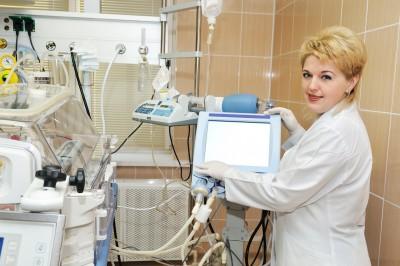 Modern EM (Emergency Medicine) professionals developed many successful and useful methods and techniques for people in critical care and life-threatening states. Breathing retraining cannot replace these techniques (CPR, breathing pure oxygen, etc.) when people are unconscious or are unable to have a good control of their actions due to their very poor health state.
Breathing exercises cannot stop quickly progressing metastatic cancer.
These emergency health conditions are only temporary contraindication to breathing exercises (with the Frolov device and for the Buteyko method) and breathing retraining. Later, when the person is in a stable state, they can follow the Buteyko method program of breathing retraining adjusted to their new health state.
Are there any situations when breathing exercises can be started? Find out the answer in the bonus content right below here.
It is possible when doctors in critical care are willing to try it.
[/sociallocker]
– This page in Spanish: Infarto de miocardio, ataque de corazón, isquemia cardiaca, asma grave, cáncer metastásico, shock séptico, insuficiencia multiorgánica.
Related pages:
– Heart disease causes and treatment
– Diseases of the brain
– Stop heart attack with a breathing exercise
– Heart palpitations
– Effects of breathing retraining on heart conditions.
– Cancer and breathing, with links to the most effective ever known clinical trial on cancer
– Asthma causes and treatment.