Normal Breathing and Buteyko Method Logo
Homepage Patterns CO2 effects Causes Diseases Symptoms Life quality Books ... Downloads More ... Map
Techniques Yoga Buteyko method Frolov device Learn here My Teaching Sport Social problems Children
rss feed
Bookmark and Share

Effects of Breathing Exercises on Asthma Symptoms, Allergies, and Medication

Note. Only some (not all) breathing exercises and lifestyle changes (treatment with breathing retraining) lead to permanent improvements in automatic breathing patterns and increased body oxygen levels.

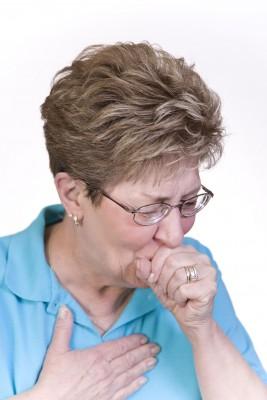
Woman with acute asthma symptoms (coughing) - An immediate decrease and, later, complete elimination of all asthma medications.
- Increase in the body oxygen level (the CP test or DIY body oxygen test) is accompanied by normalization of immunity.
- With the increased body oxygen level allergies and allergic reactions become less severe. The number of allergens that can provoke acute asthma attacks (exacerbation), and required medication decrease.
- Improved physical endurance, less coughing and improved quality of life.
- Avoidance of allergy triggers and high CPs (over 35 s 24/7) for 2-3 weeks lead to complete disappearance of allergies, disappearance of symptoms, signs, cough, swelling and inflammation in airways, and normalization of lung function tests.
- Prevention of complications such as emphysema, COPD, chronic obstructive bronchitis, and pulmonary hypertension.

Reference Web Pages: Breathing norms, Medical Graphs and Tables about Breathing Rates (Minute Ventilation) and Body Oxygen in Healthy, Normal and Sick People
Breathing norms Parameters, graph, and description of the normal breathing pattern
6 breathing myths 6 myths about breathing and body oxygenation (prevalence: over 90%)
Hyperventilation Definitions of hyperventilation: their advantages and weak points
Hyperventilation Syndrome in the Sick. Table 1. Western scientific evidence about prevalence of CHV (chronic hyperventilation) in patients with various chronic conditions (34 medical studies)
Normal Minute Ventilation in Healthy Subjects: Easy and Light Breathing (14 Studies)
Hyperventilation Prevalence Present in Over 90% of Normal People (24 medical publications)
HV and hypoxia How and why deep breathing reduces oxygenation of cells and tissues of all vital organs
Body oxygen test How to measure your own breathing and body oxygenation (a simple DIY test)
Body oxygen in healthy Table 4. CP (body oxygen level) in healthy people (27 medical studies)
Body oxygen in sick Table 5. CP (body oxygen level) in sick people (14 medical studies)
Buteyko Table of Health Zones with clinical description of most common zones
Morning HV Morning hyperventilation effect or how and why critically ill people are most likely to die during early morning hours

References: CO2 Effects Web Pages
Vasodilation: CO2 expands arteries and arterioles facilitating perfusion (or blood supply) to all vital organs
The Bohr effect How and why oxygen is released by red blood cells in tissues
Cell Oxygen Levels and oxygen transport are controlled by alveolar CO2 and breathing
Oxygen Transport depends on breathing and these two effects (Vasoconstriction-Vasodilation and the Bohr effect) are parts of two diagrams that summarize influences of hypocapnia (low CO2 content in the blood and cells) on circulation and O2 delivery
Free Radical Generation takes place due to anaerobic cell respiration caused by cell hypoxia. Hence, antioxidant defenses of the human body are also regulated by CO2 and breathing
Inflammatory Response is controlled by breathing since hypoxia leads to or intensifies chronic inflammation through over-expression of the hypoxia-inducible factor 1, while normal breathing reduces these processes
Nerve stabilization takes place due to calmative or sedative effects of carbon dioxide in neurons or nerve cells
Muscle relaxation or relaxation of muscle cells is normal at high CO2, while hypocapnia causes muscular tension, poor posture and, sometimes, aggression and violence
Brochodilation - dilation of airways (bronchi and bronchioles) by carbon dioxide, and their constriction due to hypocapnia
Blood pH regulation and regulation of other bodily fluids
CO2: Lung Damage Healer: Elevated carbon dioxide prevents injury and promotes healing of lung tissues
CO2: Skin and Tissue Healer
Synthesis of Glutamine in the Brain, CO2 fixation, and other chemical reactions
CO2 myth "CO2 is a toxic waste gas" myth
Breathing control How is our breathing regulated? Why hypocapnia makes breathing uneven and erratic

HTML Comment Box is loading comments...
Go back to Effects (under construction)
Disclaimer Copyright © 2011 Artour Rakhimov About Artour Contributions Contact details Promote this site