- Updated on August 13, 2020
 By Dr. Artour Rakhimov, Alternative Health Educator and Author
- Medically Reviewed by Naziliya Rakhimova, MD
Learning the Buteyko method by modules
Module 8-A. Restrictions, side effects, limits, and temporary contraindications
Respiratory disorders involving lungs
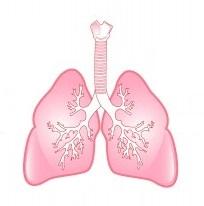 Respiratory disorders involving lungs (asthma, bronchitis, COPD, emphysema, cystic fibrosis, pneumonia, tuberculosis; pulmonary edema; etc.) are relatively easy to treat using the Buteyko breathing technique and the Frolov/DIY breathing devices. Most serious symptoms (shortness of breath, wheezing, coughing, chest tightness, etc.) can be eliminated or reduced in days, but complete clinical remission may require many months or years of breathing retraining.
The restrictions for breathing exercises in these groups of patients relate only to breathing sessions with the DIY and Frolov breathing devices.
These groups of people should be gentle in relation to their damaged lung tissue. Intensive mechanical stimulation of their weak lungs (in terms of amplitude and velocity of inhalation and exhalations) during initial stages of learning should be avoided. Later, they can gradually increase the velocity of inhalations and amplitude of inhalations and exhalations.
Hence, they should avoid any fast inhalation and exhalations with the Frolov or DIY breathing devices, as well as maximum inflations and deflations of their lungs when using the DIY or Frolov breathing devices during the initial stages of learning. All exercises are done in a comfortable way with good care for the current abilities of their lungs. The exact duration of this initial stage (in days) is provided right below here as your bonus content.
Having 7 days of breathwork, with about 1 hour per day with the breathing device, is usually enough to make a transition to the next stage: more active inhalations and larger amplitude of lung expansion.
[/sociallocker]
– This page in Spanish: El dispositivo Frolov y el asma, la bronquitis, EPOC, enfisema, fibrosis quística, neumonía, tuberculosis, edema pulmonar.
Related pages:
– Effects of breathing exercises on respiratory conditions
– Bronchoconstriction: a general overview of causes and treatment
– Bronchospasm: symptoms, cause, and treatment options
– CO2: most potent bronchodilator to dilate airways naturally
– Chest breathing: two major effects on the human body
– Chest pain when inhaling or breathing
– How to treat chest infections
– Fluid in lungs
– Cystic fibrosis and lungs.