- Updated on September 13, 2020
 By Dr. Artour Rakhimov, Alternative Health Educator and Author
- Medically Reviewed by Naziliya Rakhimova, MD
Learn Nasal : How to Stop Mouth Breathing 24/7
(This is Module 7 of the Learning Section)
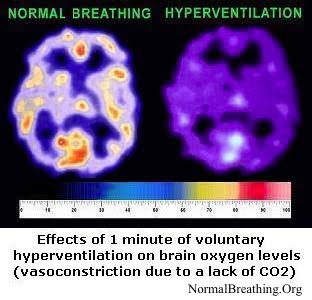 Breathing through the mouth is a sign of chronic hyperventilation. It reduces the absorption of nitric oxide (a powerful hormone that is generated in sinuses) and the concentration of carbon dioxide in airways and arterial blood causing cell hypoxia in all vital organs.
Mouth breathing suppresses immune systems and has many other pathological effects (for medical research quotes follow the links at the bottom of this web page). Mouth breathing during sleep is one of the two central factors responsible for the highest mortality rates in the severely sick during early morning hours. Is it possible to stop mouth breathing?
 Healthy people with a high CP (over 40 or 60 s for the body-oxygen test – or stress-free breath holding time test done after usual exhalation) do not breathe through the mouth at all. If they try, their CP will be lower than 40 s. On the other hand, if you observe sick people, you will notice that breathing through the mouth frequently occurs. It happens naturally at night as well when the CP is below 20 s.
With over 20 s for the current CP, a person can have nasal breathing, but partial nose blockage is still possible. With over 30 s CP, breathing through the nose is easy.
Buteyko Mouth Taping Technique
 In the 1960s, Russian patients invented mouth taping to ensure nasal breathing and stop mouth breathing during the night. Mouth taping is now a part of the Buteyko breathing method. Read more about Mouth Taping for better sleep and higher body oxygen levels in the morning.
Nasal respiration during the day
 Remember that for maximum body-oxygen levels, we need to breathe through the nose 24/7, even during physical exercise (see Effects of Exercise on the Respiratory System for more detail). Always slow down or take 1-2 min rest if you exercise so intensively that you get a strong urge to open your mouth.
Some older people may use mouth taping during the day if they have memory problems or can forget about the role of nasal breathing due to other factors.
If you have family members or friendly co-workers and you want to prevent mouth-breathing during the day, tell them that your doctor (Dr. Artour Rakhimov) instructed that you need to nasal breathe 24/7. Ask them to pay attention to the way you breathe and remind you of your commitment to stop mouth-breathing.
Put sticker which reads “Breathe only through the nose” on your PC screen, doors, desks, etc. to remind you of nasal breathing 24/7. Keep a large mirror on your working desk so that you can see your face and how you breathe.
If you have children, promise them a small treat if they catch you breathing through the mouth.
Your struggle will not be long if you increase your morning CP up to 20 s or more. Hence, carefully study other Modules so that you can move up to the safe zone and get busy with more advanced challenges in your life and your Buteyko journey.
This content and a few extra tips are summarized in a nice PDF manual that is called “How to Stop Mouth Breathing (Treatment)”. You can save this instructional manual on your PC. The link to this PDF file is located right below here as your bonus content.
PDF Manual “How to stop mouth breathing” (3-page PDF file).
[/sociallocker]
Related web pages
– Why breathing should be strictly nasal (Homepage Section webpage)
– The breathing exercise to unblock the nose (Article – Buteyko breathing exercise)
– Stop coughing at night (Article – Buteyko breathing exercise)
– Get rid of a cough (Article – Buteyko breathing exercise)
– More research articles and abstracts about other benefits of nasal breathing (Web page about mouth breathing and morning fatigue; Sleep apnea and snoring; Mouth breathing in asthmatics; etc.)
– Devastating effects of mouth breathing on the health of infants and children (with medical research articles and abstracts)
– Nasal nitric oxide research