- Updated on October 29, 2020
 By Dr. Artour Rakhimov, Alternative Health Educator and Author
- Medically Reviewed by Naziliya Rakhimova, MD
Resperate is a portable therapeutic device used for slow guided breathing exercises. Resperate is approved by the FDA for reducing blood pressure in people with hypertension. What is the main breathing problem for people with heart disease? Does it work?
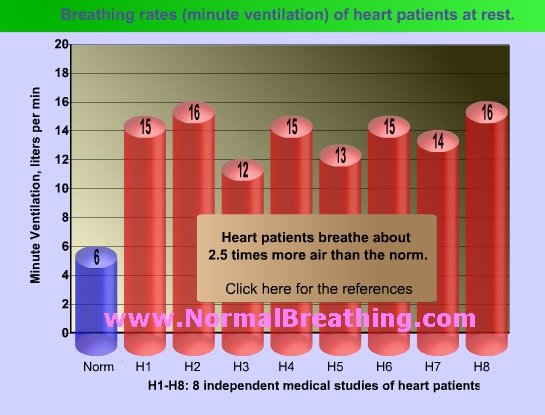
 We see that heart patients breathe too much air (too fast and too deeply 24/7). Therefore, it is logical that they have low oxygen levels in the heart and all other vital organs. What does Resperate do in relation to breathing? The device generates audio tones, one sound for inhalation and another, longer sound for exhalation. Thus, instead of the usual 18-20 breaths per minute (common in moderate hypertension), the person breathes only about 10 breaths per minute.
Resperate clinical trials
Resperate has had 10 published trials that support the claim that its regular use (15 min per day) can reduce blood pressure by about 14/8 mm Hg points (for systolic/diastolic blood pressure values) in 2 months.
 It is known that regularly measuring blood pressure also gradually reduces blood pressure. For example, the average control treatment reduction in Resperate studies in control groups was about 9/4 mm Hg. Hence, Resperate produced an additional blood pressure reduction of 5/4 mm Hg. Meanwhile, about 10% of people with very high blood pressure had a decrease of up to 36/20 mm Hg, and this fact also requires explanation. How does it work? Why do some people achieve normal blood pressure, while other people do not get any positive effects?
Resperate Review: How Does It Work?
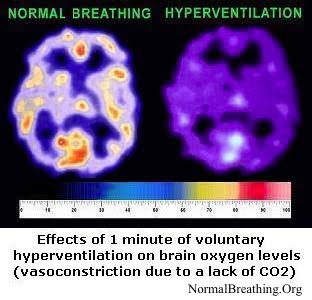
 Hyperventilation reduces arterial CO2 levels, while CO2 is the most potent known vasodilator. As a result, vasoconstriction causes tissue hypoxia in all vital organs (the heart muscle included).
These physiological facts clearly demonstrate that arterial hypocapnia (CO2 deficiency) is a norm in hypertension and heart disease. As a result, the arteries and arterioles are in a state of spasm.
When Resperate guided-breathing sessions are conducted, relaxation is crucial for success. The device slightly encourages longer exhalations (sometimes below the functional residual capacity), but inhalations are passive, and this leads to very gradual accumulation of CO2 in the lungs and arterial blood. This additional CO2 dilates blood vessels, according to the laws of physiology, reduces heart rate and blood pressure. Most importantly, this Resperate review suggests that breathing exercises with Resperate are able to increase body-oxygen levels.
How to improve Resperate’s effects
Resperate is an effective initial step in breathing retraining and its effects depend on changes in automatic or unconscious breathing patterns. Therefore, its efficiency can be dramatically improved if the person follows healthy lifestyle changes that make breathing slower.
 These ideas have been developed by over 150 Russian medical doctors who successfully applied breathing retraining on thousands of people with heart disease and hypertension. Furthermore, Russian MDs proved that when people with hypertension have more than 25 s for the body-oxygen test 24/7, they have normal blood pressure and do not require medication to control hypertension.
Among the key factors that help to slow down automatic breathing patterns are physical exercise with nose breathing only, prevention of mouth breathing during sleep, prevention of supine sleep positions, eating only when hungry, and many others. A short summary of positive and negative lifestyle factors can be found on the web page Hyperventilation treatment. A more detailed description of healthy lifestyle factors is outlined in the Section Learn here.
Note. The Frolov breathing device, according to Russian clinical trials, produces even a better effect on blood pressure due to a larger blood pressure decrease in patients with hypertension.
References
Elliott W, Izzo J, Device-Guided Breathing to Lower Blood Pressure: Case Report and Clinical Overview, Medscape General Medicine, 2006; 8(3).