- Updated on April 16, 2020
 By Dr. Artour Rakhimov, Alternative Health Educator and Author
- Medically Reviewed by Dr. David Walker, CPA, Licensed Psychologist and Naziliya Rakhimova, MD
In this video, Dr. Artour Rakhimov will explain how you can overcome caffeine addiction or dependence using breathing retraining.
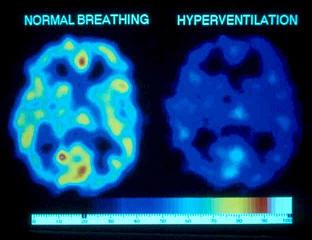
 Caffeine addiction is caused by low body-oxygen levels. When the results for the body-oxygen test are less than 20 seconds (the norm is 40-50 seconds), people naturally become addicts. They suffer from low energy, fatigue, confusion, and many other symptoms of low body oxygenation. These are observations of over 180 Soviet doctors tested on thousands of their patients, as well as my own experience with students that I taught.
Naturally, such a person feels more energized after drinking coffee and does stupid things faster… This often causes improved concentration and even better physical performance
after 2 or 3 cups of coffee due to temporary positive effects of caffeine. With less than 10 seconds for body O2, both the negative and positive effects are much stronger. This creates dependence or caffeine addiction.
Causes of addiction to caffeine
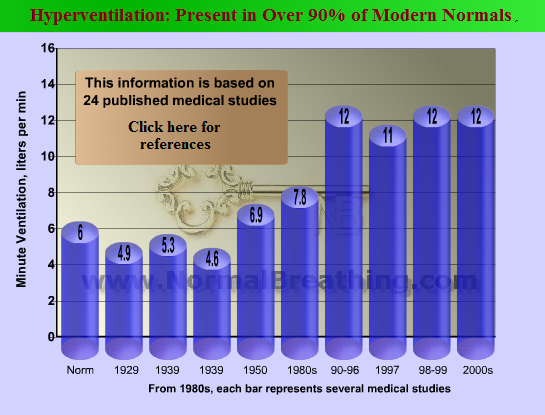
This chart below shows the prevalence of hyperventilation in modern people and explains the major cause of addiction in modern people.
However, when the same person gets up to 35-40 seconds for the body-oxygen test, the effects of caffeine are very different. Instead of feelings of energy and alertness after drinking coffee, increased intake of caffeine causes a racing heart, anxiety, reduced sports performance and poorer results on physical fitness tests. What are the mechanisms of these positive and negative effects of caffeine and addiction to caffeine?
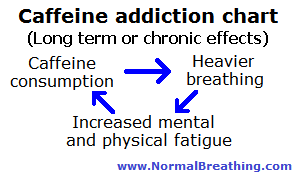 Why and how can ineffective breathing patterns and low brain oxygen levels cause the desire for and possible addiction to caffeine, sugar, alcohol, cigarette smoking, or other stimulants or depressants (chemical substances and drugs)? What are the contributions of stress, anxiety, mouth breathing, chest breathing, and breathing too much air? Mouth breathing reduces brain and body-oxygen levels due to arterial hypocapnia (low CO2) and reduced absorption of nasal nitric oxide. Chest breathing leads to ineffective gas exchange in the lungs and reduced blood oxygenation (hypoxemia). Over-breathing causes arterial hypocapnia that constricts arteries and arterioles reducing blood and oxygen supply to the brain and all other vital organs in the human body. All these effects are considered in detail on other pages.
Treat caffeine addiction with meditation and breathing
Hundreds of my students experienced profound effects of focus on breathing (during breathing exercises) and breathing retraining on their caffeine addiction. Breathing exercises are akin to meditation and among most ancient meditative techniques. Therefore, I know that these methods are great treatment tools for caffeine addiction.
Natural lifestyle choices before and after breathing retraining
| Lifestyle factor: | Body oxygen < 30 s | Body oxygen > 50 s |
| Energy level | Medium, low, or very low | High |
| Desire to exercise | Not strong, but possible | Craving and joy of exercise |
| Intensive exercise with nose breathing | Hard or impossible | Easy and effortless |
| Typical mind states | Confusion, anxiety, depression | Focus, concentration, clarity |
| Craving for sugar and junk foods | Present | Absent |
| Addictions to smoking, alcohol, and drugs | Possible | Absent |
| Desire to eat raw foods | Weak and rare | Very common and natural |
| Correct posture | Rare and requires efforts | Natural and automatic |
| Sleep | Often of poor quality; > 7 hours | Excellent quality; < 5 hours naturally |