- Updated on September 13, 2020
 By Dr. Artour Rakhimov, Alternative Health Educator and Author
- Medically Reviewed by Naziliya Rakhimova, MD
Definition of Low CO2 (hypocapnia)
 Hypocapnia (hypocapnea, also known as hypocarbia) is defined as a deficiency of carbon dioxide in the arterial blood. This is a major respiratory symptom. Most medical sources define hypocapnia as less than 35 mm Hg for partial CO2 pressure in the arterial blood. The arterial CO2 value for normal breathing at rest is 40 mm Hg (or about 5.3% CO2 partial pressure at sea level).
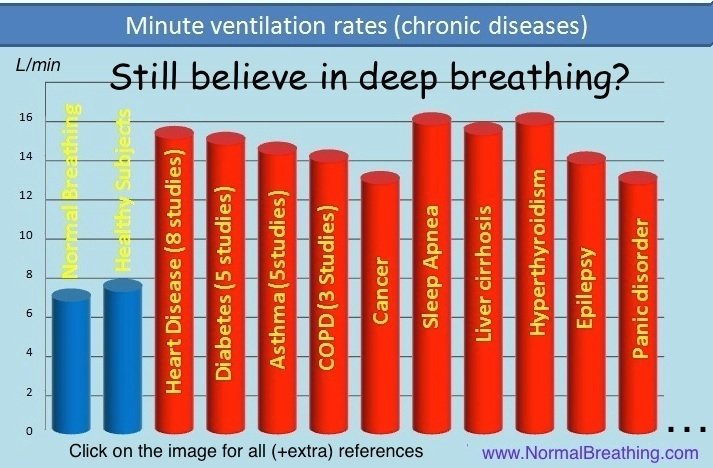
Another term “alveolar hypocapnia” describes low CO2 levels in the alveoli of the lungs. Severe alveolar hypocapnia generally leads to arterial hypocapnia, which causes respiratory alkalosis. (People with lung conditions often have arterial hypercapnia (elevated CO2) caused by alveolar hypocapnia since alveolar hypocapnia immediately causes bronchospasm.) These studies (see the Table below) show that alveolar hypocapnia is very common for many chronic diseases. Most of these patients (with heart disease, diabetes, cancer, and so forth) have arterial hypocarbia as well. Furthermore, this Table also identifies the cause of hypocapnia.
What causes hypocapnia
 Hypocarbia is caused by chronic hyperventilation (or an automatic deep breathing pattern) leading to alveolar hypocapnia (lack of CO2), and if there is no ventilation-perfusion mismatch, to arterial CO2 deficiency. Normal breathing is imperceptible or unperceivable since it is small and light (10-12 breaths/min, 500 ml for tidal volume, and 6 L/min for minute ventilation at rest for a 70-kg person). In contrast, hypercapnic patients and even most normal subjects breathe over 10 L/min and have over 18 breaths/min for respiratory frequency.
Among lifestyle factors that cause hyperventilation and hypocarbia are physical exercise with mouth breathing, meals (eating and especially overeating), stress, anxiety, overheating, attempts to breathe deeply, deep breathing exercises (except slow ones, like Pranayama), supine sleep and being in the horizontal position, poor posture and many other factors (see Causes of Hyperventilation web page).
Respiratory and other symptoms of hypocarbia
 Since hypocapnia is based on chronic hyperventilation, its symptoms are the same as the symptoms of hyperventilation. They are very wide and range from chronic coughing and nasal congestion to constipation, coughing and muscle cramps. Among other common symptoms of hypocapnia are bronchospasm, cold extremities, mouth breathing, exacerbations of asthma, angina pain, and many others.
The key pathological effect of both, alveolar and arterial hypocapnia is reduced levels of oxygen in body cells (tissue hypoxia), This promotes virtually all chronic diseases. These and other physiological effects associated with low CO2 and low oxygen levels in body cells, with numerous medical studies, are provided below (in CO2-related links). More information about symptoms of hypocapnia can be found here: symptoms of hyperventilation.
Severe hypocarbia: the most common cause/factor of mortality in the severely sick
The majority of terminally sick people die in conditions of severe hypocapnia due to heavy and fast breathing. Separate web pages of this site have numerous studies that show that terminally sick patients with cancer, cystic fibrosis, HIV, and other conditions have up to 30-40 breaths per minute or more at rest.
Respiratory alkalosis, the result of heavy breathing in the sick, is the most common acid-base abnormality observed in patients who are critically ill. It is common for those with numerous diseases, including cancer, cardiovascular disease, diabetes, HIV-AIDS, asthma, COPD, and many other conditions.
This YouTube Video explains the details and provides many quotes from medical studies – Hypocapnia, Respiratory Alkalosis: Key Causes of Deaths in the Most Sick.
Treatment of hypocapnia
 Since hypocapnia is based on overbreathing, successful treatment of hypocarbia is based on addressing the cause: chronic hyperventilation. Therefore, treatment of hypocapnia is the same as treatment of hyperventilation.
Note that based on impressive clinical evidence (CO 2 measurements in thousands of healthy and sick people), leading Soviet physiologist Dr. KP Buteyko and about 150 medical doctors (Buteyko breathing practitioners) suggested a different definition of hypocapnia. These doctors tested nearly a half million people and found that great health (with a lot of energy, craving for physical exercise, joy of eating raw foods, naturally short sleep of no more than 4.5 hours and other amazing effects) is possible when people have even more carbon dioxide in alveoli of the lungs and arterial blood. Find out this number in your bonus content right below here.
According to Dr. Buteyko, treatment of hypocapnia should be based on the achievement of this goal: 6.5% CO 2 or about 46 mm Hg for alveolar CO2 pressure.
[/sociallocker]