Breathing Less Header
Homepage Patterns CO2 effects Causes Diseases Symptoms Life quality Books ... Downloads More ... Search Map
Techniques Yoga Buteyko Frolov device Learn here Teaching Practitioners Testimonials Fitness Social issues Children
RSS feed

Metabolism of Proteins, Lipids and Carbohydrates Depends and Breathing

For CO2 involvement in glutamine synthesis visit a web page:
Glutamine: Synthesized in the Brain... If You Breathe Correctly

CO2 modelCO2, apart from the previously considered regulation of glutamine synthesis, participates in chemical reactions involving metabolism of various vitamins, minerals, proteins, amino acids, lipids, carbohydrates, and many other substances.

Since the majority of people have low brain and body-oxygen levels due to ineffective breathing (see links at the bottom of the page), it is normal that many of these chemical reactions are distorted. For example, hypoxic cells generate free radicals, favor chronic inflammation and an acidic cellular environment. As a result, ineffective breathing adversely affects dozens, and maybe even hundreds, of chemical reactions in the human body.
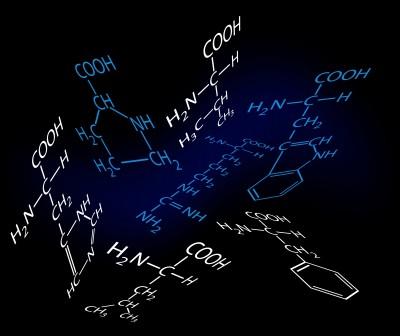
Amino acids: arginine, glutamine, cystein, etc.Therefore, the metabolism of proteins, lipids and carbohydrates, efficiency of the immune system, regulation of hormones, blood sugar level, and many other chemicals, are all connected to breathing. Clinical experience of about 200 Russian Buteyko MDs suggests that many serious abnormalities in the metabolism of proteins, fats and carbohydrates appear when a person has less than 20 seconds for the DIY body-oxygen test.

The following is a link to the scientific paper that provides exact formulas for some of these chemical reactions involving crucial body chemicals. The article "The Role of Carbon Dioxide in the Vital Processes of the organism" (Kazarinov, 1991) has Peter Kolb's (Biomed Eng) comments in {...} brackets.

Reference pages: Breathing norms and medical facts:
- Breathing norms: Parameters, graph, and description of the normal breathing pattern
- 6 breathing myths: Myths and superstitions about breathing and body oxygenation (prevalence: over 90%)
- Hyperventilation: Definitions of hyperventilation: their advantages and weak points
- Hyperventilation syndrome: Western scientific evidence about prevalence of chronic hyperventilation in patients with chronic conditions (37 medical studies)
- Normal minute ventilation: Small and slow breathing at rest is enjoyed by healthy subjects (14 studies)
- Hyperventilation prevalence: Present in over 90% of normal people (24 medical studies)
- HV and hypoxia: How and why deep breathing reduces oxygenation of cells and tissues of all vital organs
- Body-oxygen test (CP test) : How to measure your own breathing and body oxygenation (two in one) using a simple DIY test
- Body oxygen in healthy: Results for the body-oxygen test for healthy people (27 medical studies)
- Body oxygen in sick : Results for the body-oxygen test for sick people (14 medical studies)
- Buteyko Table of Health Zones: Clinical description and ranges for breathing zones: from the critically ill (severely sick) up to super healthy people with maximum possible body oxygenation
- Morning hyperventilation: Why people feel worse and critically ill people are most likely to die during early morning hours

References: pages about CO2 effect:
- Vasodilation: CO2 expands arteries and arterioles facilitating perfusion (or blood supply) to all vital organs
- The Bohr effect: How and why oxygen is released by red blood cells in tissues
- Cell oxygen levels: How alveolar CO2 influences oxygen transport
- Oxygen transport: O2 transport is controlled by vasoconstriction-vasodilation and the Bohr effects, both of which rely on CO2
- Free radical generation: Reactive oxygen species are produced within cells due to anaerobic cell respiration caused by cell hypoxia
- Inflammatory response: Chronic inflammation in fueled by the hypoxia-inducible factor 1, while normal breathing reduces and eliminates inflammation
- Nerve stabilization: People remain calm due to calmative or sedative effects of carbon dioxide in neurons or nerve cells
- Muscle relaxation: Relaxation of muscle cells is normal at high CO2, while hypocapnia causes muscular tension, poor posture and, sometimes, aggression and violence
- Bronchodilation: Dilation of airways (bronchi and bronchioles) is caused by carbon dioxide, and their constriction by hypocapnia (low CO2)
- Blood pH: Regulation of blood pH due to breathing and regulation of other bodily fluids
- CO2: lung damage: Elevated carbon dioxide prevents lung injury and promotes healing of lung tissues
- CO2: Topical carbon dioxide can heal skin and tissues
- Synthesis of glutamine in the brain, CO2 fixation, and other chemical reactions
- Deep breathing myth: Ignorant and naive people promote the idea that deep breathing and breathing more air at rest is beneficial for health
- Breathing control: How is our breathing regulated? Why hypocapnia makes breathing uneven, irregular and erratic.


Your social engagement and comments are appreciated. Thanks.

HTML Comment Box is loading comments...
Back to Effects of carbon dioxide on human health
Disclaimer Copyright 2013 Artour Rakhimov Contact details