- Updated on August 3, 2019
 By Dr. Artour Rakhimov, Alternative Health Educator and Author
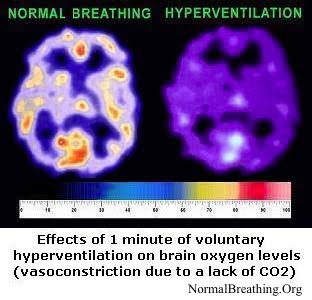 Cystic fibrosis life expectancy correlates with O2 content in body cells. Recent medical studies (see links below) discovered that abnormalities related to cystic fibrosis transmembrane conductance regulator (CFTR) mutation gene are triggered by tissue hypoxia (low O2 level in body cells). The main CFTR-related abnormality in CF is ineffective work of ionic pumps and reduced transfer of ions across mucosal surfaces. However, even in healthy people, this effect is controlled by O2 levels in cells.
 Over 170 Soviet Buteyko breathing doctors started to treat people with CF in the 1970’s, and many of their patients are still alive (as of 2012). In fact, Soviet and Russian MDs claim that as soon as people with CF have over 40 s for the body-oxygen test, they can expect at least normal life expectancy (as ordinary people). How and why?
Medical studies that measured respiratory parameters found that 100% of CF patients suffer from chronic hyperventilation (breathing much more than the medical norm, or up to 160-300%). Overbreathing leads to alveolar hypocapnia (low CO2 levels in the lungs) which destroys the tissue of the lungs (see Cystic fibrosis in lungs). Minute ventilation in CF patients in these medical studies ranged from 10 to 18 Liters per minute at rest (adjusted to 70-kg normal weight), while the medical norm is only 6 L/min.
Minute ventilation in cystic fibrosis patients at rest
| Condition | Minute ventilation |
Number of patients |
References |
| Normal breathing | 6 L/min | – | Medical textbooks |
| Healthy subjects | 6-7 L/min | >400 | Results of 14 studies |
| Cystic fibrosis | 15 L/min | 15 | Fauroux et al, 2006 |
| Cystic fibrosis* | 13 (�2) L/min | 10 | Bell et al, 1996 |
| Cystic fibrosis | 10 L/min | 11 | Browning et al, 1990 |
| Cystic fibrosis | 11-14 L/min | 6 | Tepper et al, 1983 |
| Cystic fibrosis* | 10 L/min | 10 | Ward et al, 1999 |
| CF and diabetes* | 10 L/min | 7 | Ward et al, 1999 |
| Cystic fibrosis | 16 L/min | 7 | Dodd et al, 2006 |
| Cystic fibrosis | 18 L/min | 9 | McKone et al, 2005 |
Click here for all Cystic Fibrosis References
Decades of medical research have conclusively shown that chronic hyperventilation has numerous adverse effects on all systems and organs of the human body, including destruction of lung tissue, more severe problems with digestion and blood glucose control and many others. For an overview of CF, click here.
A large group of Russian MDs have developed and applied a breathing therapy (the Buteyko breathing technique) for CF and revealed the following relationships between respiratory parameters and life expectancy or prognosis in CF patients:
Respiratory parameters and cystic fibrosis life expectancy
| Respiratory frequency | Alveolar CO2 | Body O2 range | Stages of the disease | Expected life expectancy |
Symptoms and prognosis |
| > 30 breaths/min | <3.5% | 1-5 seconds | End-stage disease | Some months | Quickly developing and severe problems with lungs (possible cor pulmonale), chronic indigestion, etc. |
| 26-30 breaths/min | 3.5-4.0% | 6-10 s | Clinical stage (hospitalization or palliative care is required) |
Less than 1-2 years | Worsened health state with progressive respiratory deterioration: bronchitis and bronchiolitis transform into bronchiectasis; possible complications include hemoptysis and pneumothorax. |
| 20-26 breaths/min | 4.0-4.5% | 11-20 s | Moderate individual symptoms | Up to 30-40 years | A typical patient with classical symptoms of mild cystic fibrosis including chronic infections, poor exercise tolerance, inflammation, GI symptoms, … |
| 12-20 breaths/min | 4.5-5.5% | 20-40 s | Initial stage of the disease | Up to 40-60 years | Mild GI symptoms; slight deterioration in lung function tests |
| < 12 breaths/min | >5.5% | over 40 s 24/7 | Normal health | Normal | No symptoms, normal life expectancy |
 These Buteyko doctors found that damage to lungs, sinuses, pancreas, liver, intestines, and sex organs in cystic fibrosis is proportional to the degree of respiratory abnormalities, while a complete clinical remission in patients with cystic fibrosis takes place in cases of breathing normalization. Patients with cystic fibrosis have an excellent prognosis and a normal life expectancy if they can normalize their breathing pattern. At the same time, low body O2 is one of the central factors of reduced cystic fibrosis life expectancy.
It should be kept in mind that cystic fibrosis affects the lungs and alveoli so that the development of this medical condition leads to increased ventilation-perfusion mismatch and problems with the effective gas exchange. Another practical aspect related to cystic fibrosis is that for the overwhelming majority of CF patients, the lowest body oxygenation and heaviest breathing (or worst respiratory parameters) take place during early morning hours (or the last portion of the night sleep) due to the Sleep Heavy Breathing Effect. Obviously, the morning CP (body-oxygen test) is the main parameter that influences prognosis, stages, cystic fibrosis life expectancy and quality of life in CF patients.
References: Oxygen and cystic fibrosis.